
The Magic We Chase: Behind the Scenes of Iceland’s Northern Lights Tours
What really goes into creating a 93% success rate—and the uncomfortable truths about the industry that nobody talks about
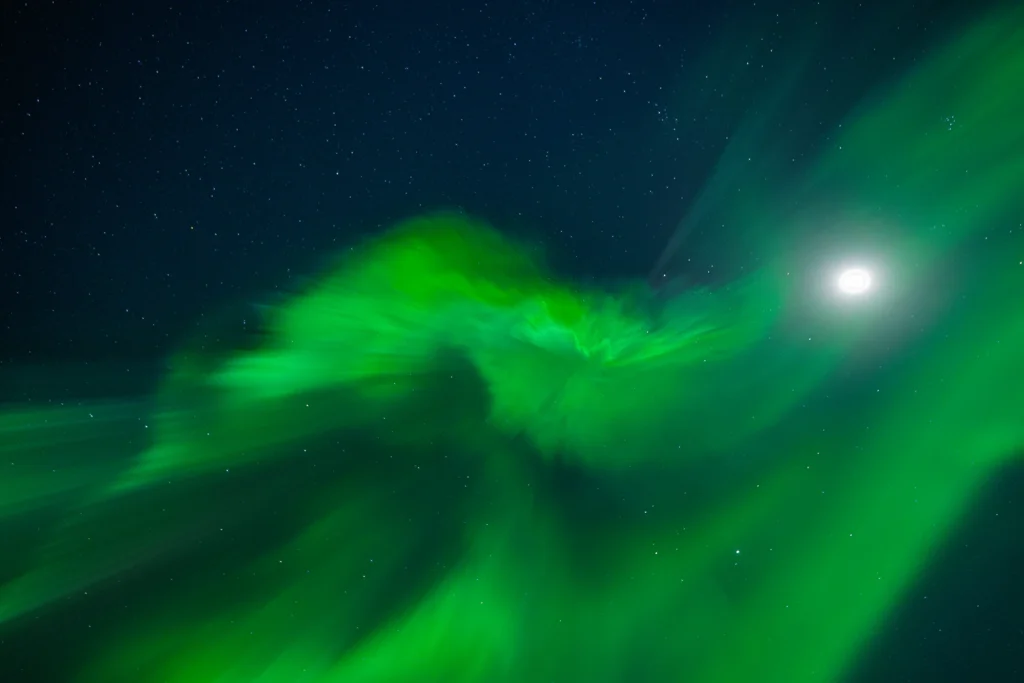
There’s a moment that happens on every successful northern lights tour. The sky begins to glow. A faint green arc appears on the horizon. Someone whispers “Is that…?” And then it happens—the aurora erupts into dancing ribbons of light that stretch across the entire sky, pulsing and shifting as if alive. Grown adults gasp like children. Cameras click frantically. Someone starts crying. And I get goosebumps for the thousandth time, because no matter how many times I’ve witnessed this, it never gets old.
But here’s what most people don’t see: the hours of work that surround each tour. The tour itself runs 4-5 hours. Then there’s an hour cleaning and preparing the vehicle for the next group. Another hour preparing the traditional Icelandic snacks, hot cocoa, and treats. That’s about 7 hours right there. Add another 4-5 hours monitoring data, comparing forecast models, analyzing satellite imagery, and communicating with guests about conditions and decisions. We’re looking at 10-12 hours total for every single tour.

The Science Behind the Magic
Let me start with something important: if you’re planning a northern lights trip and relying solely on the KP index, you need to know something. The KP index, while widely referenced, is almost completely useless for actually predicting whether you’ll see the aurora on any given night. I know that’s blunt, but it’s the truth, and you deserve to know it.
What matters far more is the Bz level—the up-down direction of the Interplanetary Magnetic Field embedded in the solar wind. Think of it this way: when the Bz points south (showing a negative value), it’s like flipping an “on” switch for the aurora. When it points north (positive), it’s like hitting “off.” Generally speaking, the more negative the Bz, the better your chances.

Here’s why: Earth’s magnetic field naturally points north. When incoming solar wind has a south-pointing magnetic field (negative Bz), opposites attract—a crack opens in Earth’s magnetic field, allowing charged particles to stream into our atmosphere and create the aurora. When both fields point north, they repel each other, and the solar wind deflects away. No connection, no aurora.
Under Iceland’s position beneath the aurora oval, a Bz of –1 to –5 means good northern lights are very likely. When it drops below –5 or –10 and stays there for an hour or more, you get the dancing, pulsing displays that people dream about. Below –20? You’re witnessing a once-in-a-lifetime worldwide aurora event, like the spectacular shows we saw in October 2024.
The data comes from the DSCOVR satellite positioned 1.5 million kilometers from Earth, acting like an early warning buoy that senses incoming solar wind 15 to 60 minutes before it reaches us. So when you see the Bz suddenly turn south, you need to wait—the lights won’t appear immediately, but they’re coming.
This is the data we actually use. This is what matters.
Our Daily Routine: The Work You Don’t See
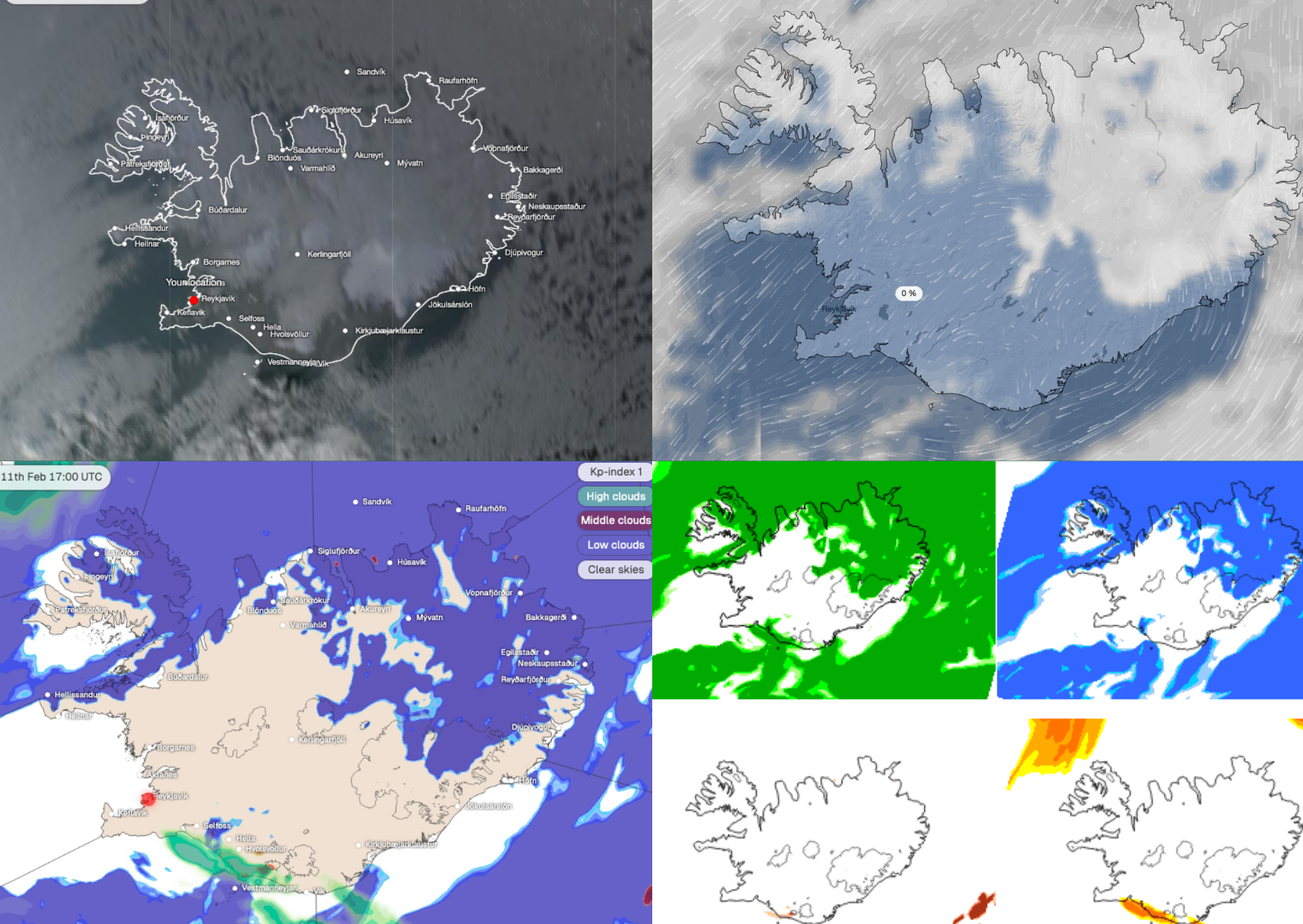
Every single day during the northern lights season, those 4-5 hours we spend monitoring data and forecasts are critical. While our guests are exploring Reykjavík or resting at their hotels, we’re deep in analysis mode.
We watch live satellite images from the Icelandic Met Office. We compare five different weather models and forecasting sources—because relying on just one is how you miss critical information. We study cloud coverage predictions at multiple altitudes, track the Bz levels, monitor solar wind speed and density, and constantly reassess our chances of success.
When the cloud cover forecast is mixed or uncertain, we sometimes wait until 5 or 6 PM to make our final decision about whether the tour runs that evening. Why so late? Because by then, we have significantly more accurate data. The forecast models have updated, the satellite imagery is current, and we can see exactly what’s developing rather than guessing based on morning predictions.
This waiting is agonizing for us, and I know it can be stressful for our guests who are eager to know their plans. But here’s the thing: I’d rather make you wait a few extra hours for an accurate decision than take you out on false hope.
The Uncomfortable Truth About the Industry
Now comes the part I’ve been waiting years to write about. The part that might make some people uncomfortable, but that travelers absolutely deserve to know.
Many northern lights tour operators in Iceland operate under intense pressure. Here’s how it works: if one major competitor decides to run their tour on a cloudy evening with poor conditions, other companies feel compelled to go out too. Why? Because if they cancel while competitors run tours, their business partners and resellers get upset. They worry about losing booking relationships. They fear guests will think they’re being too cautious or that competitors are somehow “better” at finding the lights.
I’ve even received messages from other tour operators openly admitting this pressure exists. It’s not a secret within the industry—it’s just not something anyone talks about publicly.
Then you have companies that go out regardless of conditions, giving guests hope when there genuinely isn’t any. They know the clouds are too thick. They know the aurora forecast is weak. But they make it look like there’s a chance, and guests—who understandably don’t have the expertise to assess conditions themselves—trust that their tour operator wouldn’t take them out without a fair shot at success.
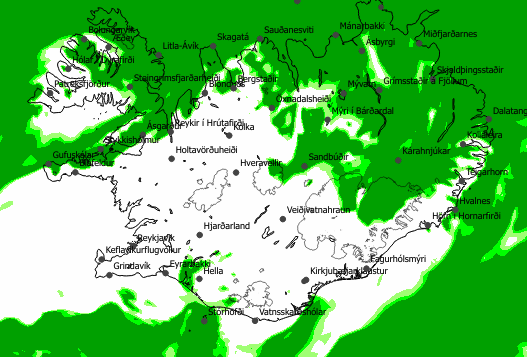
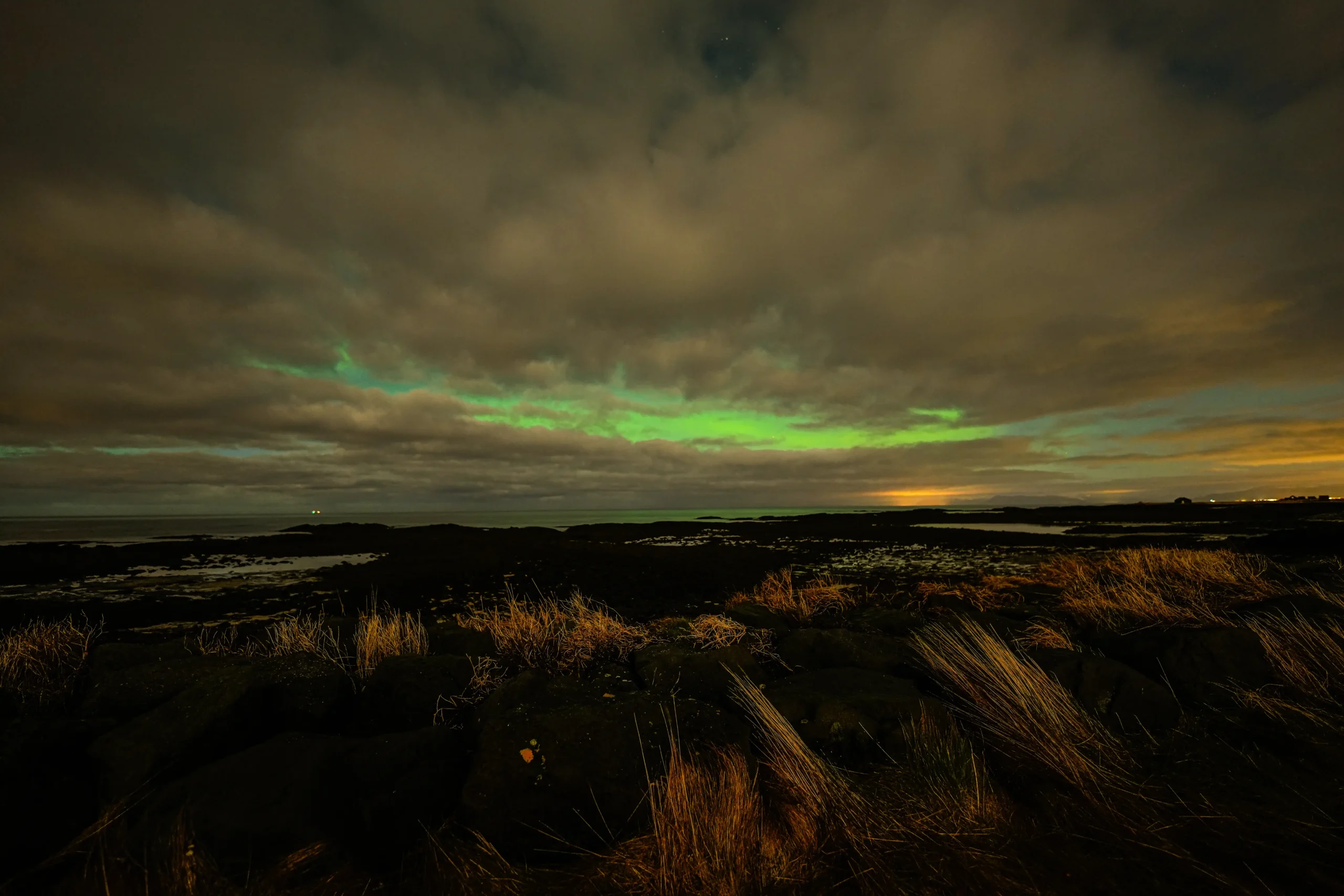
Here’s a particularly frustrating example: Many companies rely solely on the Icelandic Met Office website (vedur.is) to check cloud coverage. The default view shows low and mid-level clouds. A first-timer looks at this map, sees clear areas, and thinks “Perfect! Clear skies!” But what they’re missing is a crucial setting that reveals high-altitude clouds. These high clouds aren’t always problematic—sometimes you can see aurora through them—but often they’re thick enough to completely obscure the lights.
Some operators use this incomplete data as justification: “The Met Office showed clear skies, so we went out.” When guests inevitably see nothing through the cloud cover, they don’t have the knowledge to question the decision. The operator shrugs, blames nature’s unpredictability, and moves on.
Now here’s the clever part: when a tour takes place, there’s typically no refund—only a re-try option. The guest is locked in, able to attempt again or return within two years to use their credit. The operator has their money, the guest has their “second chance,” and everyone moves forward. Except the guest just wasted an evening that could have been spent doing something else, or rescheduled for a night with genuine potential.
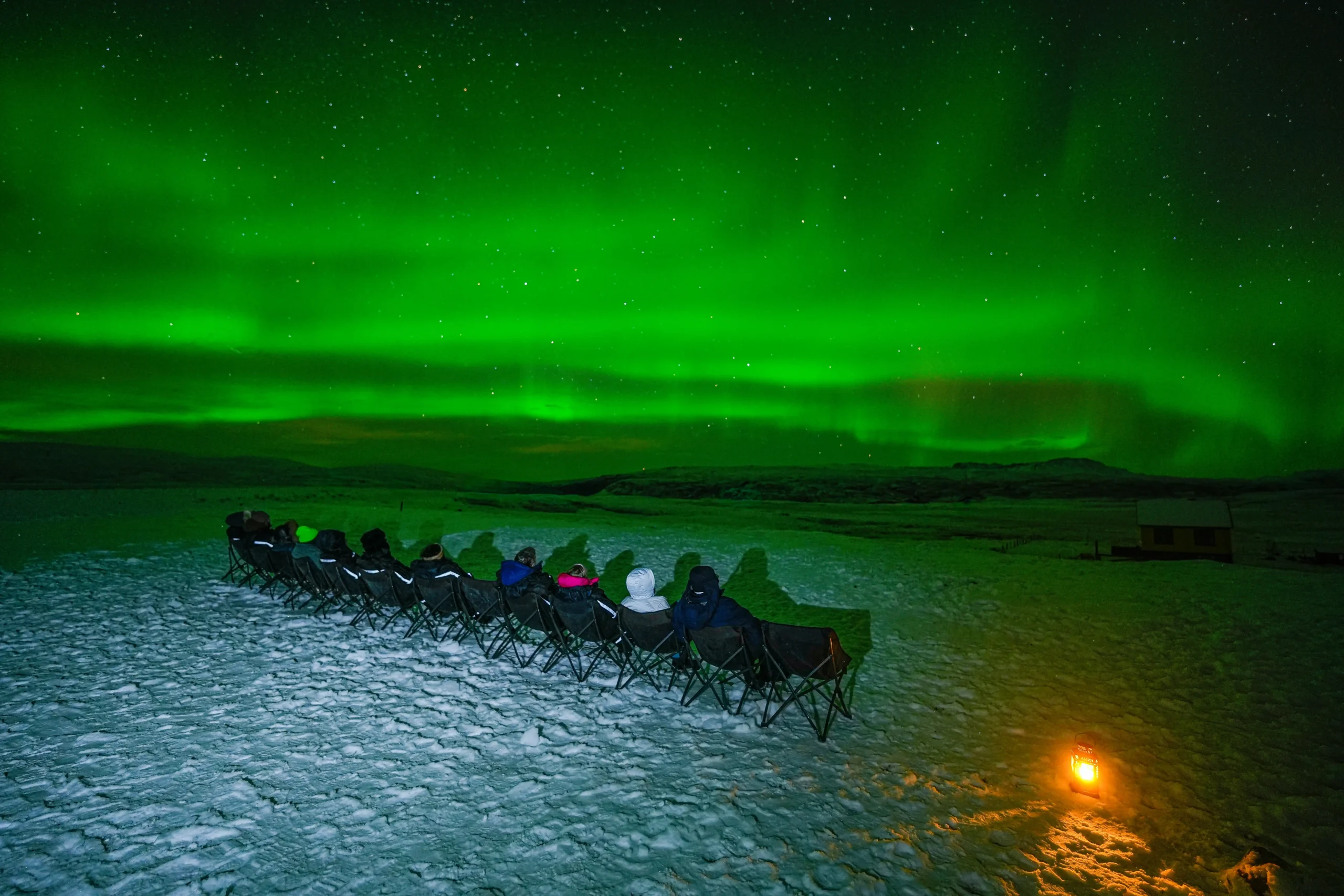
The Midnight Exodus: When Tours Give Up Too Soon
But perhaps the most frustrating pattern we witness—and we see this almost every single week—is what I call the midnight exodus.
Here’s what happens: Some evenings, the aurora activity doesn’t come through immediately. The Bz level hasn’t flipped south yet, or it’s hovering around neutral. We’re waiting for that switch to flip, for conditions to align. Sometimes that doesn’t happen until around midnight or even later, well past the “official” tour window most companies operate within.
Around 11 PM or 11:30 PM, we watch a parade of 20-30 tour buses start their engines and head back to Reykjavík. Their official tour time is over. The drivers need to get home. The schedule says it’s time to leave. So they load up their guests and drive away—often just as the Bz is starting to drop, just as the real show is about to begin.
Then at midnight, 12:30 AM, sometimes even 2 AM, the sky explodes. The aurora dances in spectacular displays—exactly what the data told us was coming. And those guests who left early? They’re back at their hotels, completely unaware that the once-in-a-lifetime show they traveled thousands of miles to see happened right after their bus pulled away.
The next day at breakfast, they talk to other travelers. “Did you see the northern lights last night?” “No, our tour didn’t see anything. Did you?” “Oh my god, yes! They were incredible! Danced for hours!” And that’s when they realize: their tour operator gave up before the show started. That opportunity is gone forever.
We’ve been out there at 2 AM when conditions finally aligned and the sky came alive. We’ve talked guests through the waiting, explaining what the data shows, asking if they’re willing to stay a bit longer because we can see the Bz dropping. And when those lights finally appear after hours of patience? The screams of joy, the tears, the absolute elation—it’s worth every minute of waiting.
That’s our passion. That’s our commitment. We’re not watching the clock—we’re watching the sky and the data. If the lights are coming, we’re staying. Period.
The “Professional Photography” Problem
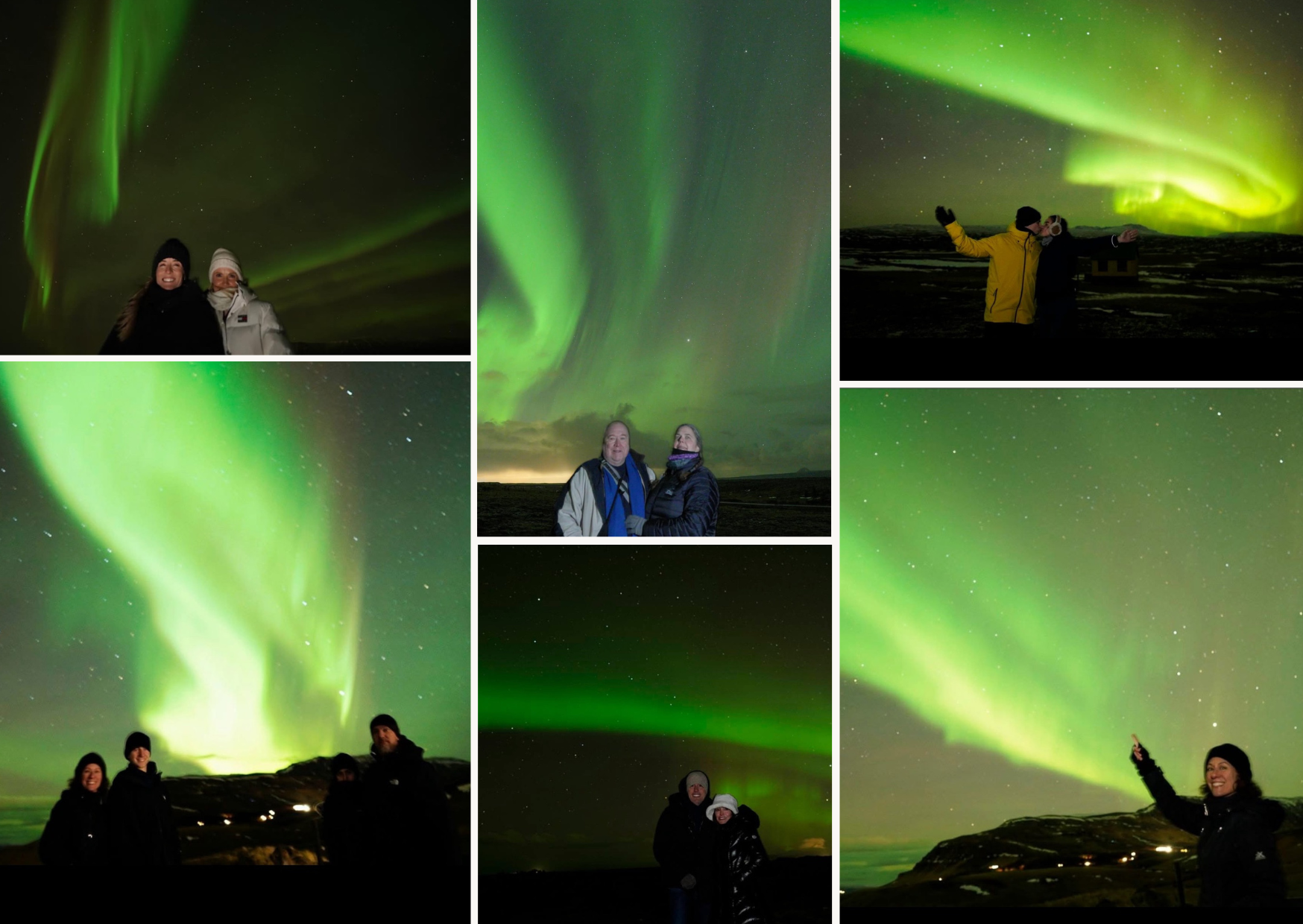
And then there’s the photography situation. Many tour operators advertise “professional photography” as if it’s a premium feature. But here’s the uncomfortable reality: most of what passes for “professional” in this industry absolutely shouldn’t.
I’ve seen countless examples of what other companies deliver to their guests: photos that look like someone doing this for the first time. Half-body shots cropped at the waist because they don’t have wide-angle lenses or don’t understand composition. Cropping at joints—cutting people off at elbows or wrists, guests missing their feet in the frame. Faces completely lost in shadow because they’re not using proper lighting equipment or don’t know how to balance exposure between the dark landscape and the bright aurora. No post-processing, no color correction, no professional editing. Images that honestly look like they were shot on a phone camera.
Yet they call this “professional photography” and use it as a selling point.
This isn’t professional. This is someone with a camera who doesn’t have the technical knowledge, the proper equipment, or the dedication to deliver actual professional results. And guests don’t know the difference until they receive their photos and realize what they’re missing.
How We Do Things Differently
We don’t operate like this. We refuse to.
We’re always transparent and brutally honest about conditions. If we analyze the data—the Bz levels, the cloud coverage at all altitudes, the satellite imagery, the aurora forecast—and conclude we don’t have a fair chance of success, we cancel. Period.
We offer a full refund or the option to reschedule. No pressure. No locking guests into a re-try credit. If conditions aren’t right, we’d rather you have your money back and the freedom to book with us on a better night, or spend that evening doing something else you’ll actually enjoy.
When we do go out and conditions require patience, we communicate constantly. We show guests the data. We explain what we’re seeing and what we’re waiting for. We give them the choice to stay longer when we can see the Bz dropping and know the lights are coming. We don’t abandon them at 11 PM because the schedule says so—we stay until the show is over or until it’s genuinely clear nothing will happen.
This honesty has cost us. I’ve had guests get absolutely furious when we’ve cancelled. I’ve shown them the satellite images, explained the cloud coverage, walked them through the data, and they’ve still been angry because they don’t understand why “the other company is going out tonight.” I’ve told them they’re welcome to take a full refund and book with those other companies if they prefer. No hard feelings. We were honest from beginning to end. That’s who we are.
If that honesty doesn’t work for you, choose a different operator. We won’t compromise our integrity to make a sale.
Why Our Success Rate Stands Out
This is how we’ve achieved a 93% northern lights sighting rate over five years—far above the industry average. It’s not magic. It’s meticulous preparation, scientific understanding, strategic decision-making, the willingness to cancel when conditions don’t support success, and the patience to wait when the data tells us the show is coming.
When we do go out, it’s because we genuinely believe you have a strong chance of seeing the aurora. And our nimble approach means we don’t just drive to one location and hope for the best. We chase clear skies. We move between viewing locations. We adapt in real-time based on what the satellites are showing us and what we’re seeing develop in the sky. And we stay as long as it takes when we know the lights are coming.
That flexibility is crucial. While larger tour operations with big buses are locked into specific routes, schedules, and departure times, we can pivot quickly and stay longer. If clouds roll into our planned location but the satellite shows a clear window 30 minutes north, we go north. If the Bz suddenly drops and conditions improve unexpectedly, we extend the tour—even if that means staying until 2 AM. This agility and dedication is only possible with small groups and guides who are genuinely invested in your success, not just checking boxes on a schedule.
The Details That Transform the Experience
But success isn’t just about seeing the lights—it’s about experiencing them in comfort and capturing memories that last forever.
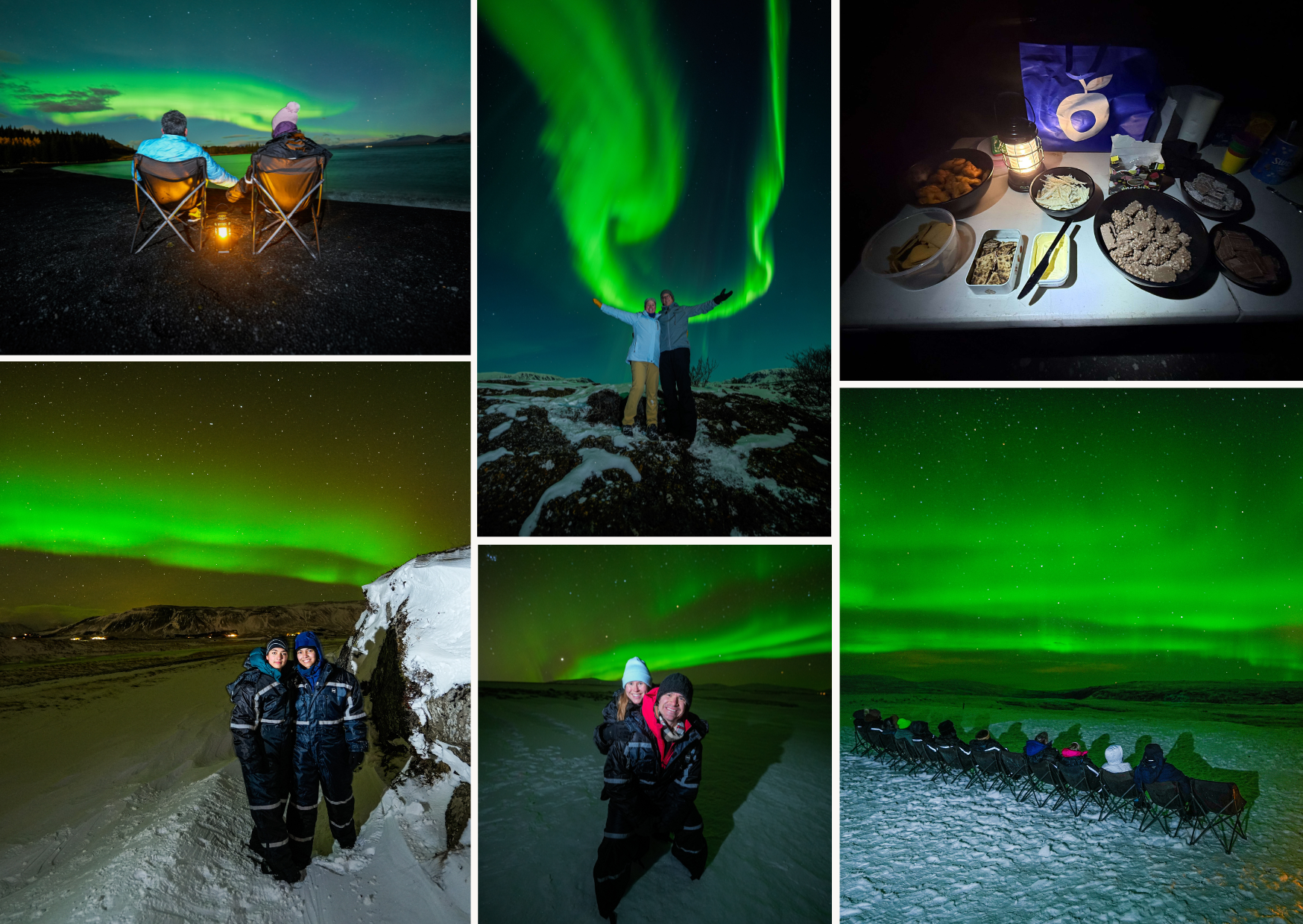
We’re the only northern lights operator in Iceland providing warm winter snowsuits in all sizes and comfortable outdoor chairs on location. This might seem like a small detail, but it’s transformative. When you’re warm and comfortable, you can stay out longer. You can relax and absorb the experience rather than shivering and counting down minutes until you can get back in the vehicle. You can sit back in your chair, hot cocoa in hand, and simply watch the sky dance—even if we’re waiting until midnight or beyond for the show to begin.
Speaking of which: we provide traditional Icelandic snacks, pastries, and chocolate, along with hot beverages and Brennivín (Icelandic schnapps). Guests often tell us it feels like a food tour as much as an aurora tour. These touches matter because northern lights hunting involves waiting—and that waiting should be enjoyable, not endured.
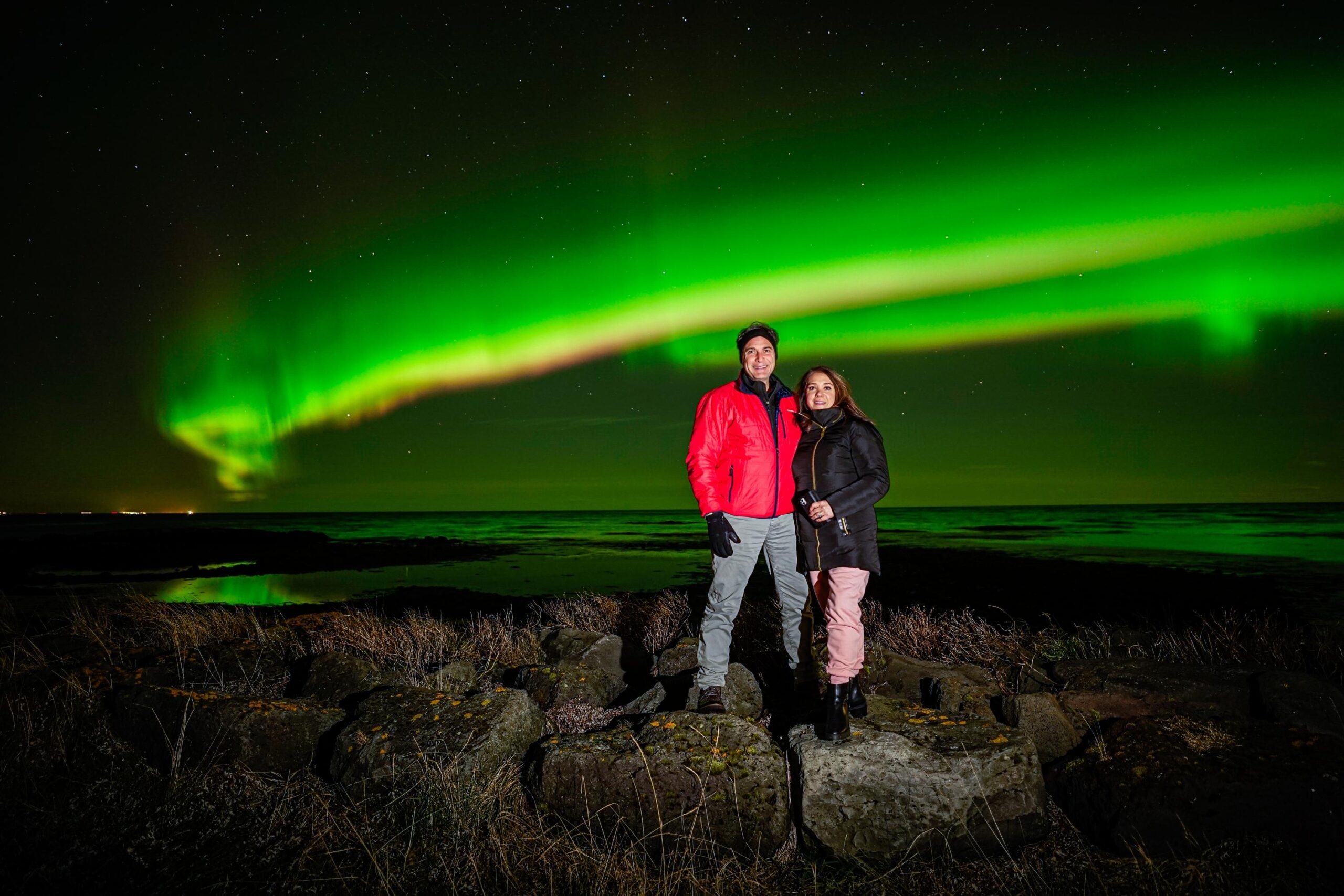
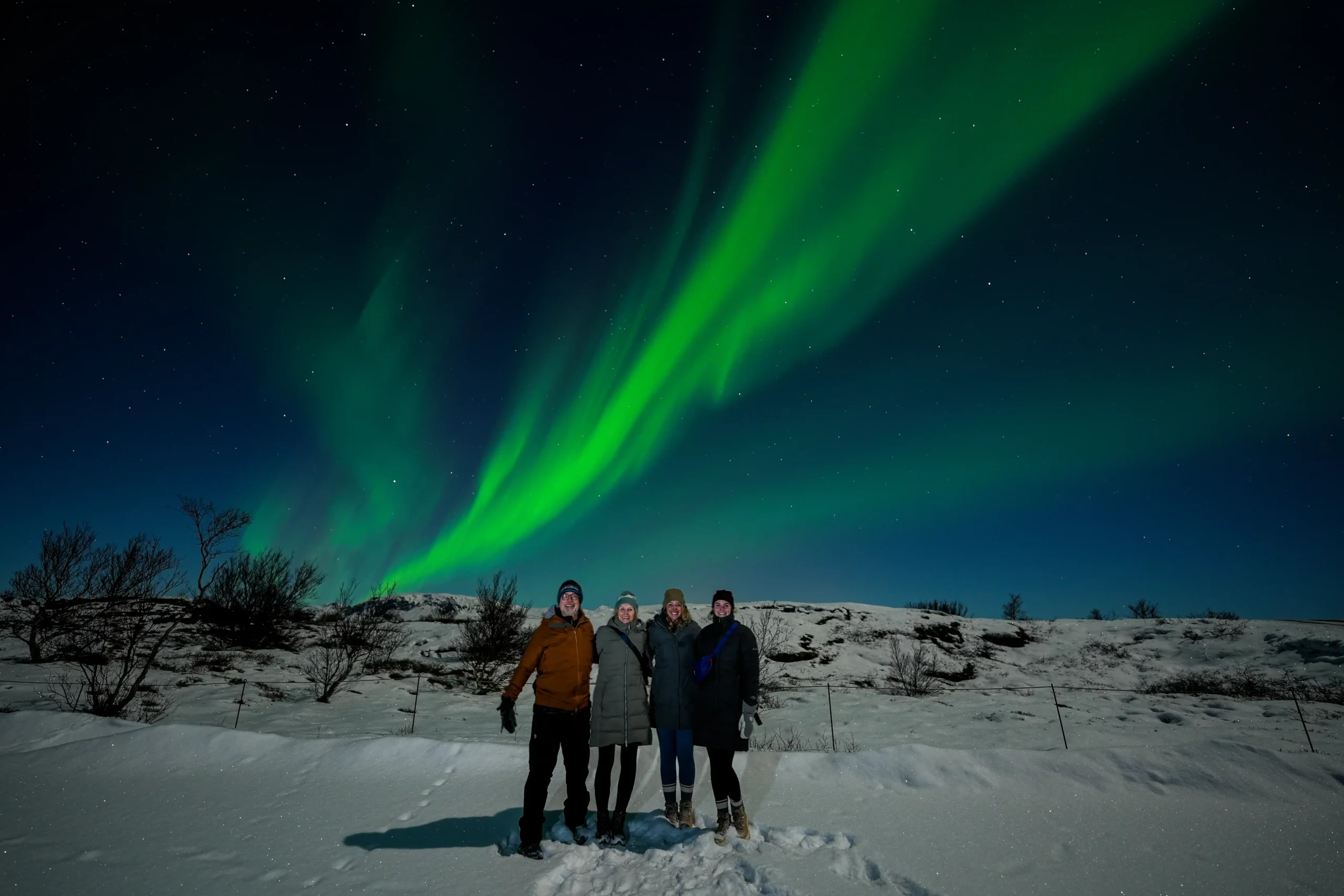
Then there’s the photography—actual professional photography. Our guides have mastered the technical challenges of aurora photography: proper wide-angle lenses for full-body compositions, lighting equipment to properly expose faces against the bright aurora, understanding of exposure times and settings for capturing movement and color, and comprehensive post-processing that brings out the true beauty of both the lights and our guests.
We shoot full-body compositions that show you in the landscape, not cropped awkwardly at the waist. We position and light you so your face is visible and expressive, not lost in shadow. We frame shots that include your feet on the ground, placing you properly in the scene. We capture the aurora’s colors and movement accurately. And we edit every image professionally—color correction, exposure balancing, the works—before delivering them within 48 hours.
This is the level of quality you’d typically only get by booking a private tour with a dedicated professional photographer, often at significantly higher cost. We include it in every tour because if we’re going to call it “professional photography,” it damn well better be professional.
These aren’t just snapshots. These are gallery-quality images that become wall art, that make people ask “how did you get that shot?”, that capture not just the aurora but your wonder at witnessing it.
The Moments That Make It All Worthwhile
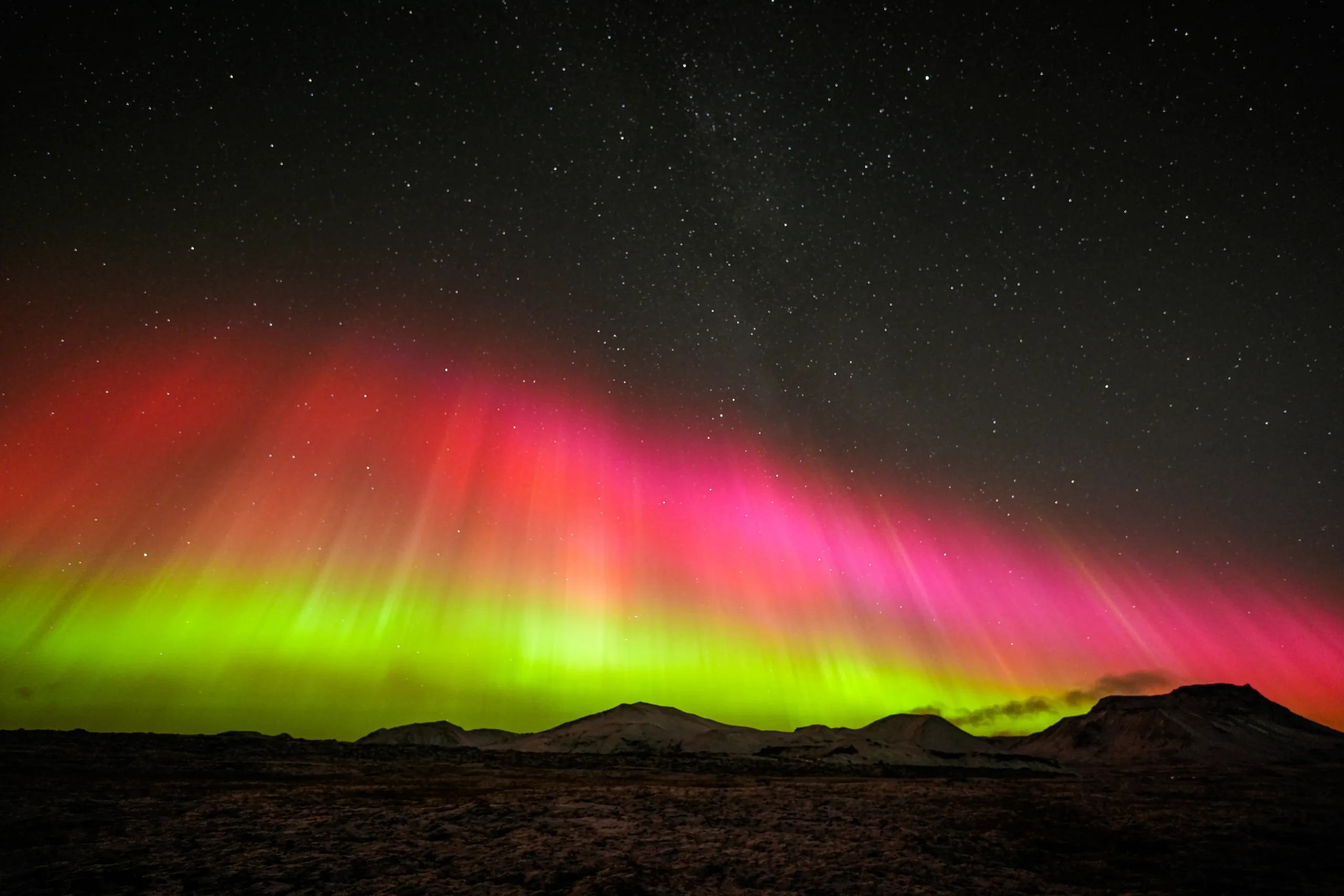
After years of guiding northern lights tours, certain moments stand out. The couple who got engaged under the aurora while I captured every second. The family where the children saw the lights for the first time and the parents quietly cried. The solo traveler who’d saved for years to make this trip happen, standing speechless as the sky exploded in green and purple. The groups who stayed with us past midnight, trusting the data, and then screamed with joy when the sky finally erupted exactly as predicted.
One guest from New York wrote: “Between the snow suits to keep us warm and the professional photos, there isn’t a detail he hadn’t considered. I really enjoyed seeing the northern lights through his eyes—he stayed up hours after dropping us off at 2am so that he could capture more photos for us.”
That’s the truth—I often do stay up after tours end, continuing to photograph if the aurora is particularly active, because I know these images will be treasured. When conditions are exceptional, how can I not?
A guest from Pennsylvania summed it up: “Do not consider any other northern lights tours – this is the one to take.” Another from Seattle called us “One million out of ten.”
But perhaps my favorite was from the family in Florida: “You could really feel his passion for what he does and it made the experience even more special. This was the best night ever.”
That passion is real. After thousands of hours beneath the aurora, I still get goosebumps. I still feel that sense of awe. And I still believe that this experience should be magical, honest, and worth every króna you invest.

What You Deserve
You deserve transparency. You deserve a tour operator who studies the actual data, not just the KP index. You deserve someone who will cancel rather than waste your evening on false hope. You deserve a guide who will stay past midnight when the data shows the lights are coming, not one who leaves at 11 PM because the schedule says so. You deserve actual professional photography—properly composed, lit, and edited—not phone-quality snapshots labeled as “professional.” You deserve warmth, comfort, and genuine care throughout your experience.
You deserve honesty about the uncomfortable truths of this industry. You deserve to know that not all tour operators prioritize your experience over their booking relationships or schedules. You deserve to understand that going out on a cloudy night because “competitors are running tours” is not the same as having a genuine chance at success. You deserve to know that leaving before midnight while the Bz is dropping means missing the show you traveled so far to see.
Most importantly, you deserve an operator who will tell you the truth: some nights, conditions just aren’t right. And that’s okay. We’d rather have you back for a night when the sky is clear and the Bz is beautifully negative than have you stand in a field staring at clouds while we collect your money.
The Magic Is Real—When It’s Done Right
The northern lights are genuinely magical. Standing beneath the aurora borealis as it dances across the Arctic sky is an experience that changes people. It’s humbling, awe-inspiring, and profoundly moving.
But that magic only works when it’s built on a foundation of integrity, expertise, and genuine care for your experience. When it’s supported by 10-12 hours of work you never see. When it’s guided by actual science rather than marketing pressure or rigid schedules. When it’s delivered by people who will stay until 2 AM if that’s when the show happens. When it’s captured in truly professional photographs that you’ll treasure forever.
That’s the magic we chase at Aurora Experts and Ultimate Iceland. Not just the lights themselves, but the entire experience—honest, comfortable, expertly photographed, and worth every moment you spend beneath our Arctic sky, no matter how long we need to wait for the sky to come alive.
We’re not the cheapest option. We’re not the biggest operation. But we are the most honest. And after five years and hundreds of tours, our 93% success rate and our guests’ words speak for themselves.
The aurora is waiting. When conditions are right—and when we’re willing to wait for them to be right—we’ll be there. And we’d love to share that magic with you.
Vertu blessaður,
Heimir
Aurora Experts & Ultimate Iceland